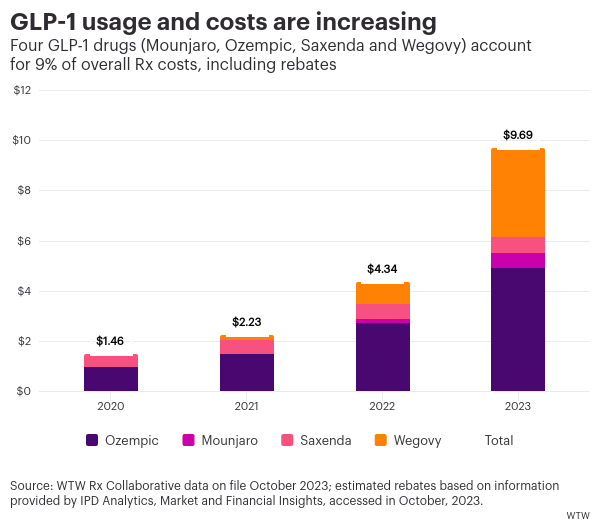
The escalating costs associated with GLP-1 drugs have become a significant concern for patients and healthcare systems alike. These medications, hailed for their effectiveness in managing obesity, present a financial burden not only on users but also contribute to rising health insurance premiums across the board. As approximately 12% of adults in the U.S. utilize these pricey weight-loss medications, policymakers are grappling with the implications of Medicare GLP-1 coverage and the varied access restrictions imposed by Medicaid. Moreover, many patients experience substantial GLP-1 side effects that may deter long-term usage, complicating the overall cost-benefit analysis. With increasing focus on obesity treatment costs, the healthcare landscape is being reshaped as stakeholders seek ways to make these essential pharmaceuticals more accessible and affordable.
The financial implications surrounding the costs of GLP-1 medications have stirred considerable debate among healthcare professionals and policymakers alike. These innovative obesity therapies, while effective, also raise concerns about affordability and health insurance dynamics. As patients weigh their options regarding health coverage and potential out-of-pocket expenses, understanding the nuances of medication coverage, particularly in relation to Medicare and Medicaid, becomes crucial. The broadening use of these treatments is reminiscent of trends in other medical domains, prompting discussions on the balance between effective obesity interventions and the economic burden these drugs may induce on society. Consequently, the dialogue surrounding obesity management continues to evolve, highlighting the need for sustainable solutions in a landscape marked by escalating healthcare costs.
The Rising Costs of GLP-1 Drugs
The ongoing debate around GLP-1 drug prices highlights an unprecedented health economic challenge in the U.S. As more individuals seek these medications for effective weight loss, costs have surged, impacting not just users but the broader population through increased health insurance premiums. Recent statistics reveal that approximately 12% of U.S. adults are currently on GLP-1 treatment, while globally, over 25% could benefit from this obesity treatment. The complex web of drug pricing, patent laws, and limited competition contributes significantly to these costs, leaving many wondering how it affects their everyday health care expenses.
Insurers are grappling with the financial implications of widespread GLP-1 usage. It has been reported that about 30% of the increase in health insurance premiums can be attributed to these high-cost medications. As insurance companies adjust to this shifting landscape, they face the dilemma of raising premiums or restricting coverage, which could ultimately limit access for many patients needing these weight-loss medications. Although recent initiatives aim to cap out-of-pocket copays for Medicare recipients, variations in state policies and Medicaid coverage complicate affordability for a large segment of the population.
How Health Insurance Premiums Are Affected by GLP-1 Usage
The ripple effect of GLP-1 drugs extends far beyond the individuals taking them. With rising use among the population, health insurance companies have begun adjusting their strategies to manage increasing costs. Many insurers are passing down these higher costs to consumers through increased premiums, meaning that even those not utilizing GLP-1s may feel the financial impact. As noted by health policy experts, approximately a third of premium increases can directly link back to the expenditure associated with covering these medications.
Policy researchers are urging that understanding the financial dynamics of GLP-1 treatments may necessitate a reevaluation of coverage strategies. As new treatments emerge, it remains vital for insurers to strike a balance between maintaining accessibility for patients and managing their costs effectively. The looming question is whether the current trajectory of premium increases is sustainable or if more comprehensive changes to health coverage, including possible regulation on drug pricing, will be necessary.
Understanding Medicare GLP-1 Coverage Options
Navigating the complexities of health insurance coverage can be overwhelming, particularly concerning weight-loss medications like GLP-1s under Medicare. Currently, Medicare Part D does not include coverage for obesity-treating medications, although recent discussions have indicated a shift toward possible inclusion. The implications of such a change could dramatically enhance access for seniors who would benefit from these treatments but have struggled with their affordability under the existing system.
Additionally, the recent announcements from the Trump administration about reaching price agreements for Medicare beneficiaries could be pivotal. By negotiating to lower out-of-pocket costs to $50 per month, the administration aims to alleviate the financial burden on elderly patients seeking effective obesity treatment. As these changes unfold, understanding how to maximize benefits from Medicare and future GLP-1 coverage may prove essential for many beneficiaries.
GLP-1 Drug Side Effects and Their Impact on Patient Use
While GLP-1 medications are known for their weight-loss efficacy, it’s crucial to address the potential side effects that can deter patient adherence. Many patients report commonly experienced side effects, such as nausea, vomiting, and gastrointestinal discomfort, which can hinder their long-term commitment to treatment. It’s estimated that a significant proportion of patients discontinue use due to these adverse effects, which may in turn affect the financial viability anticipated by insurers as they adjust premiums.
As a result, the capacity for insurance companies to project future costs becomes clouded by the challenge of patient retention on these medications. Even while some may initially benefit from the weight loss associated with GLP-1s, the adverse reactions can lead to high rates of discontinuation, ultimately complicating the calculus for long-term health financial planning.
The Future of Obesity Treatment Costs
As the landscape of obesity treatments continues to evolve, the financial implications of GLP-1 drugs demand attention from both a patient and policy perspective. Over the next few years, as patent protections begin to expire, it is anticipated that generic versions of GLP-1 medications will enter the market, significantly reducing treatment costs. This introduction could reprieve patients bearing high out-of-pocket expenses and potentially lower insurance premiums tied to obesity treatment.
The possibilities of cheaper generic GLP-1s could also shift the conversation regarding obesity treatments in health policy forums, possibly encouraging more widespread acceptance and coverage among health insurance plans. For millions of Americans, this could signify a crucial transformation in how obesity is treated, leading to improved health outcomes and a reduction in related comorbidities.
Direct-to-Consumer GLP-1 Access: A Growing Trend
In response to access difficulties posed by traditional insurance routes, a growing trend has emerged in the form of direct-to-consumer telehealth services. These services offer patients the opportunity to obtain prescriptions for GLP-1 medications with relative ease, often at a cost comparable to those covered by insurance. By circumventing complex insurance claims and prior authorization hurdles, many patients are turning to these online platforms to access necessary weight-loss treatments.
While this model provides immediate access to GLP-1 treatments, it also raises important questions about the long-term sustainability of such practices. Relying solely on direct-to-consumer services could eventually create disparities in access, especially for patients who may not afford the upfront costs or those lacking tech-savviness to utilize online health platforms. Thus, it’s essential to balance this new access point with broader systemic changes in healthcare policy.
The Global Perspective on GLP-1 Treatment and Costs
While the U.S. exemplifies a challenging market for GLP-1 drugs, it’s crucial to understand these medications’ role on an international scale. In many European countries, utilization of GLP-1s is heavily regulated, often restricted to individuals with higher obesity classifications. These stringent guidelines are indicative of a broader approach to managing healthcare costs associated with obesity treatments, enabling these nations to maintain a check on pricing while ensuring that only those most in need receive prescriptions.
Additionally, international comparisons often highlight the importance of systemic controls in shaping patient experiences and access to obesity treatments. The implications of adopting similar strategies in the U.S. could not only address the high costs linked to GLP-1 prescriptions but could also foster a more equitable healthcare landscape. This push for global understanding is critical as the U.S. navigates substantial changes in drug coverage and pricing regulations.
Health Outcomes Linked to GLP-1 Efficacy
The emergence of GLP-1 medications has considerable implications for public health outcomes related to obesity. Beyond the immediate weight loss effects, GLP-1 drugs offer the potential to mitigate coexisting health conditions, such as cardiovascular disease and diabetes, which are often linked to obesity. By addressing these comorbidities, the use of GLP-1s not only promotes individual health improvement but could also lessen overall healthcare spending by reducing disease-related treatments.
However, the long-term benefits remain to be fully understood, particularly as many patients may discontinue medication use due to side effects. The balance between effectively managing obesity through GLP-1 prescriptions and monitoring potential side effects will be vital in determining their true value in contributing to long-term health results. With ongoing research, it may soon become evident just how significant these medications are in reshaping health outcomes beyond weight loss.
Future Developments in GLP-1 Drug Research
As the research community continues to explore the full potential of GLP-1 medications, exciting developments are on the horizon. Investigations into new formulations and innovative delivery methods aim to enhance efficacy while minimizing side effects. For instance, researchers are exploring fast-acting alternatives or combination therapies that could vastly improve patient adherence and overall satisfaction with the treatment process.
The growing evidence around the effectiveness of GLP-1s in diverse populations may also prompt a redefinition of eligibility guidelines, potentially expanding access to those currently unable to receive treatment. As patent expirations introduce generics into the market, the confluence of ongoing research and new pricing dynamics may create a paradigm shift in how obesity treatments are viewed and utilized, ultimately leading to a more holistic approach to addressing obesity as a public health crisis.
Frequently Asked Questions
What factors influence GLP-1 drug costs for patients?
GLP-1 drug costs for patients are influenced by their type of health coverage, state regulations on Medicaid, and the availability of insurance plans that cover anti-obesity medications. Patients may face varying out-of-pocket expenses based on prior authorization requirements and whether they are accessing these drugs through Medicare, Medicaid, employer-sponsored plans, or out-of-pocket payments.
How do GLP-1 drug costs affect health insurance premiums?
The rise of GLP-1 drug costs has significantly impacted health insurance premiums across the board. Research shows that approximately 30 percent of recent premium increases can be attributed to the expenses associated with these obesity medications, as insurers adjust their pricing to account for the higher costs of providing coverage for GLP-1s.
Is Medicare GLP-1 coverage available, and what does it cost?
Currently, Medicare does not cover GLP-1 drugs that are specifically used for obesity treatment. However, the Trump administration announced a deal to potentially lower costs to a $50 monthly copay for eligible Medicare recipients, pending the completion of testing and evaluations of costs and health outcomes.
What are the potential consequences of high GLP-1 drug costs on obesity treatment?
High GLP-1 drug costs may limit access to effective obesity treatments for many patients. This can lead to a significant portion of eligible adults unable to afford medication, potentially hindering efforts to reduce obesity-related health issues and placing a larger burden on the healthcare system due to untreated comorbidities.
Are there options for obtaining GLP-1 medications without insurance?
Yes, patients can access GLP-1 drugs through direct-to-consumer telehealth services, which often provide prescriptions at monthly costs ranging from $100 to $200. Additionally, the recently launched TrumpRX platform offers discounts for those lacking insurance.
What are the common GLP-1 side effects, and how do they impact patient adherence?
Common GLP-1 side effects include gastrointestinal issues such as nausea, vomiting, and diarrhea. These unpleasant side effects can impact patient adherence, as many individuals may cease treatment after experiencing these symptoms, potentially affecting the long-term financial implications for healthcare providers.
Will GLP-1 drug costs decrease in the future?
Yes, it is expected that GLP-1 drug costs will decrease in the coming years as patents expire, allowing generic manufacturers to produce affordable alternatives. This shift could significantly reduce the financial burden on patients and healthcare systems, making obesity treatments more accessible.
How do obesity treatment costs compare internationally regarding GLP-1 medications?
Internationally, obesity treatment costs associated with GLP-1 medications tend to be lower due to stricter utilization controls in many countries. For example, European nations typically impose limits on prescriptions, allowing access primarily to those with higher body mass indexes, thus influencing overall costs and access.
| Key Points |
|---|
| The popularity and effectiveness of GLP-1 drugs have led to increased costs for users. |
| Around 12% of U.S. adults are currently using GLP-1 drugs, with potential benefits for over 25%. |
| Variations in coverage and pricing exist, with Medicare and Medicaid having different access and cost structures. |
| The extensive use of GLP-1s is projected to drive health insurance premiums up by approximately 30%. |
| Competition and patent expiration may lead to reduced costs in the future, but current prices remain high. |
| The government and insurers are exploring ways to manage costs and improve access. |
Summary
GLP-1 drug costs are a significant concern as they impact not just users but also the health insurance landscape. The rising expenses associated with these medications are leading to increased premiums for many Americans, which raises questions about access and affordability. While there are efforts to reduce costs through various platforms and potential future generics, current pricing and coverage variability remain significant hurdles for obtaining these effective treatments.