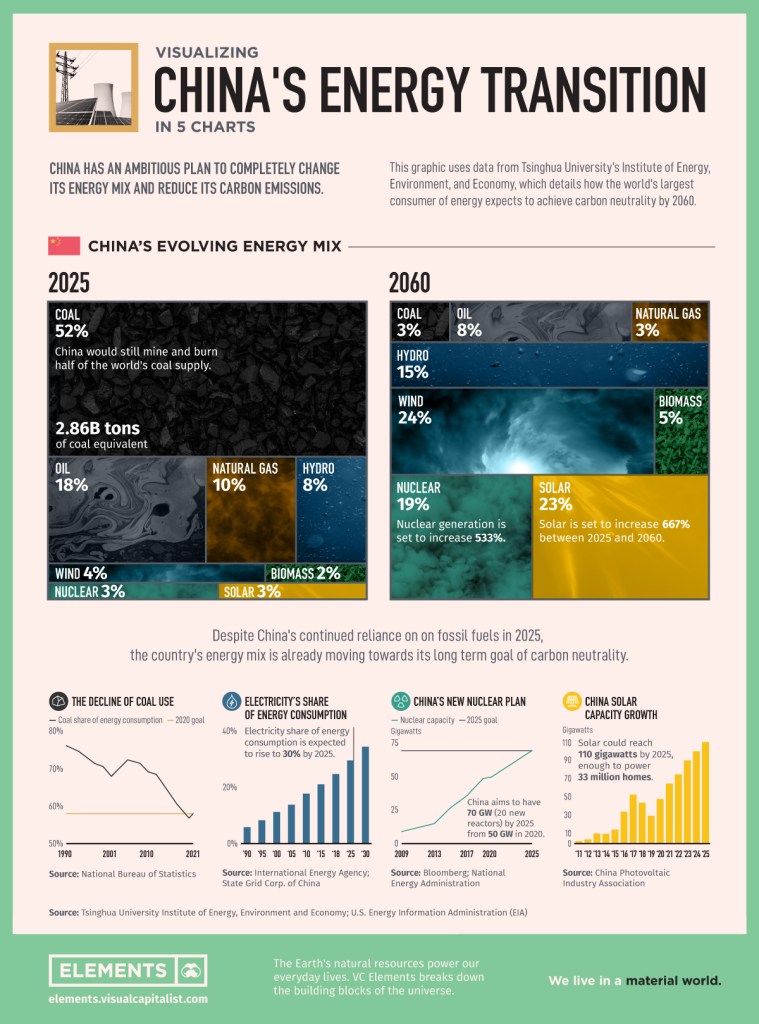
China renewable energy initiatives have positioned the nation as a global leader in the fight against climate change, although the reality is more complex than simply a transition to green energy. With aggressive Chinese energy policies driving investments in renewable energy technology, the country has rapidly expanded its solar and wind power sectors, conquering the global markets for these technologies. However, the stark continued dependence on coal—accounting for nearly 60% of its energy production—highlights the dual approach of blending renewable and non-renewable sources. As China transitions towards a more sustainable future, it simultaneously powers its burgeoning electric vehicles industry, representing a critical element of the broader China energy transition. Nevertheless, the ongoing reliance on fossil fuels underscores the challenges entailed in reducing carbon emissions and achieving an eco-friendly energy landscape.
The landscape of renewable energy in China reflects a multifaceted approach where the nation emerges as a pioneering force in sustainable power solutions. Chinese efforts to harness alternative energy sources highlight the government’s commitment to advancing innovative renewable technology, even amidst substantial coal usage. As the emphasis shifts towards electric transportation and green energy, the balance between fossil fuels and renewables continues to shape China’s energy strategy. The ongoing evolution in the Chinese energy sector aims to reduce carbon footprints while still grappling with its coal resistance, showcasing the intricate dynamics of energy independence and environmental responsibility. This interplay illustrates not only China’s ambitions but also the broader implications for global energy consumption trends.
Understanding China’s Renewable Energy Strategies
China’s approach to renewable energy isn’t merely about making a transition from traditional fossil fuels, but rather reflects a broader strategy motivated by the dire demand for energy amid its booming economy. The nation has emerged as a leader in renewable energy technology, carving out an impressive stake in solar panel manufacturing and wind power generation. This surge, however, coexists with a robust coal sector that continues to supply over 60% of the country’s energy needs. Analysts argue that this simultaneous build-out of renewable and traditional energy sources illustrates a lack of true transition—it’s an addition to the existing energy mix rather than a shift away from coal dependence.
Moreover, China’s energy policies are notably comprehensive and coherent compared to many Western nations. With government backing, the development of technologies in electric vehicles (EVs) and renewable energy is propelled forward, ensuring that the country remains at the forefront of the global energy race. While targets have been set for reducing carbon emissions, realities on the ground showcase that much of the growth in energy capacity still heavily relies on coal. This mix complicates the narrative surrounding China’s commitment to decarbonization, highlighting a scenario where coal and renewables are not mutually exclusive.
China’s Electric Vehicle Revolution
The electric vehicle (EV) industry in China has rapidly advanced, fueled by both domestic policy initiatives and an apparent urgency to reduce reliance on imported oil. Government incentives have stimulated investment, leading to the establishment of hundreds of EV manufacturers, though the competitive landscape has narrowed significantly to a few key players. Chinese policymakers view the transition to electric vehicles as essential not only for sustainability but also for energy security. By focusing efforts on EV development, they aim to mitigate the vulnerabilities associated with oil imports and foster a new industrial sector capable of sustaining the economy into the future.
However, the journey to establishing a robust EV market has not been without challenges. There are ongoing concerns about quality, efficiency, and competition with established manufacturers from the U.S. and Europe. While Chinese companies have made significant strides, establishing a reputation for high-quality EVs remains a critical hurdle. The Chinese government recognizes this gap and is channeling resources into research and technology development, particularly in battery innovation, which is crucial for EV performance. The dual focus on manufacturing capability and innovative technology positions China as a formidable player in the global EV market.
The Role of Coal in China’s Energy Mix
Despite advancements in renewable energy, coal remains a cornerstone of China’s energy infrastructure. The reliance on coal poses significant environmental challenges, as it contributes heavily to China’s carbon emissions, which are the highest globally. Analysts suggest that rather than experiencing a transition to cleaner energy sources, China is simultaneously expanding its coal and renewable sectors. This approach raises questions about the country’s commitment to global climate agreements and its long-term sustainability goals.
China’s massive domestic coal reserves allow it to maintain energy independence, but this comes at the cost of increased pollution and reliance on an aging technology. While transitioning toward renewable alternatives like wind and solar is essential for future energy resilience, the country continues to invest heavily in coal infrastructures, such as new plants, which complicates the narrative surrounding its energy transition. The challenge remains in balancing immediate energy demands with the long-term necessity for reduced emissions and sustainable development.
Energy Transition Challenges in China
One of the primary challenges in China’s energy transition is the conflicting interests of securing energy resources and addressing environmental concerns. While the government has set ambitious goals to increase the share of renewables in its energy mix, the continued investment in coal and fossil fuel infrastructure suggests a hesitancy to fully embrace a cleaner energy transition. As noted by experts, China’s policy framework lacks the consistency that could support a decisive move away from coal dependence. This inconsistency can undermine the long-term viability of innovative energy initiatives.
Further complicating the energy transition is the economic context within China, which has shown signs of stress due to various factors, including a slowdown in housing markets and rising local debts. These economic pressures could lead to renewed challenges for renewable energy investments as the government attempts to prioritize short-term economic stability over long-term sustainability goals. The emphasis on economic growth might deter the necessary policy changes that are crucial for facilitating a true transition to greener energy sources in China.
The Impact of Chinese Energy Policies on Global Markets
China’s energy policies have significant implications for global markets, particularly in the realm of renewable energy technology. As the world’s largest consumer of energy, policies enacted in Beijing can dramatically influence international prices and availability of resources. China’s dominance in the solar panel market exemplifies how its industrial policies can set market trends globally, and its investments in renewable technologies signify the country’s intentional shift towards securing a leadership role in the global energy sector.
However, this influence brings both opportunities and challenges. While increased demand for Chinese renewable energy technologies can spur growth in related industries worldwide, it can also lead to geopolitical tensions as nations grapple with issues of energy independence and economic competition. The interplay between domestic energy policies and global market dynamics will continue to shape the landscape of renewable energy and electric vehicle adoption on an international scale.
Innovations in Renewable Energy Technology in China
China’s advancements in renewable energy technology have prompted innovations that are setting benchmarks worldwide. The development of solar energy technologies, in particular, showcases China’s ability to not only produce but also innovate within the renewable space. With extensive investments in research and development, Chinese companies are at the forefront of solar panel efficiency improvements, battery storage innovations, and smart grid technologies that are crucial for optimizing energy usage. These advancements are not only transformative for China’s energy landscape but also provide significant opportunities for export and global cooperation.
In addition to solar energy, China’s commitment to enhancing wind energy technology is equally noteworthy. The country has become home to some of the largest wind farms globally, supported by policy frameworks that encourage expansion in this sector. Technological innovations in turbine efficiency and energy management systems enable China to harness wind energy more effectively, potentially setting examples for other countries to follow. This focus on cutting-edge renewable energy technology could play a pivotal role in positioning China as a leader in the global renewable energy market.
Environmental Concerns Surrounding China’s Energy Choices
As China continues to pursue a mixed energy strategy that includes both fossil fuels and renewable energy, significant environmental concerns arise. The ongoing reliance on coal raises alarms regarding air quality and public health, with pollution levels in many cities reaching critical levels. Despite the government’s efforts to enhance renewable energy use, the stark reality of coal dependence showcases a dual challenge: addressing immediate energy needs while committing to long-term environmental sustainability.
In response to these challenges, there are growing calls for more aggressive environmental policies that prioritize a transition to cleaner energy sources. Experts urge the Chinese government to take a more decisive action in enforcing stricter regulations on coal usage and investing heavily in renewable resources to mitigate the impacts of climate change. The future sustainability of China’s energy policies will depend significantly on finding a balance between energy demands and environmental accountability.
Electric Vehicles and Sustainable Development in China
The intersection of electric vehicles (EVs) and sustainable development in China represents a key opportunity to reduce carbon emissions while fostering economic growth. The government has prioritized EV manufacturing as part of its broader strategy to enhance clean technology adoption and decrease reliance on fossil fuels. This focus on EVs not only addresses environmental concerns but also stimulates local economies, creating jobs and fostering innovative technology development in the automotive sector.
Chinese manufacturers are rapidly innovating in EV technology, focusing on enhancing battery life, performance, and reducing production costs. As a result, Chinese-made EVs are becoming increasingly competitive on the global market. This shift towards electric mobility aligns with international sustainability goals and positions China as a potential leader in the global transition to greener transportation options, facilitating collective efforts toward mitigating climate change.
Future Prospects for China’s Energy Sector
Looking to the future, China’s energy sector faces a pivotal moment. With increasing global pressure to reduce greenhouse gas emissions, the alignment of national energy policies with international climate goals will be crucial. Realignment towards prioritizing renewable energy technologies and decreasing coal reliance will not only serve China’s domestic needs but also its responsibilities on the global stage. The decision to effectively transition into a clean energy future will determine the country’s economic stability and environmental legacy.
Moreover, the evolution of China’s energy landscape also presents significant opportunities for innovation and collaboration with other nations. By sharing advancements in renewable energy technology and promoting sustainable practices, China can play a strategic role in global energy partnerships. The drive towards a future that balances energy demands with environmental stewardship will not only redefine China’s energy sector but could also shape the world’s approach to energy sustainability.
Frequently Asked Questions
What role does China renewable energy play in the global energy landscape?
China renewable energy is pivotal in the global energy landscape, being the largest producer of solar panels and wind power. Despite generating 60% of its energy from coal, China’s investment in renewable energy technology underlines its commitment to diversifying its energy portfolio.
How do Chinese energy policies affect the renewable energy sector?
Chinese energy policies heavily promote renewable energy technologies, aiming to achieve energy independence and reduce coal dependence. However, these policies coexist with continued investment in fossil fuel infrastructure, reflecting a complex energy strategy.
What is the impact of China coal dependence on its renewable energy initiatives?
China’s coal dependence significantly impacts its renewable energy initiatives, as the country continues to build new coal plants even while expanding renewable energy sources. This dual approach raises concerns about the overall effectiveness of its energy transition efforts.
How is China transitioning to electric vehicles and renewable energy technology?
China’s transition to electric vehicles (EVs) is supported by government policies and significant investment in renewable energy technology. This strategy is part of an effort to diversify energy sources while still balancing the need for fossil fuels.
What challenges does China face in its energy transition to renewable sources?
China faces several challenges in its energy transition, including a long-standing coal dependence, economic pressures from global markets, and the need for technological advancements in renewable energy. These challenges complicate the shift towards a more sustainable energy framework.
How does the development of China electric vehicles impact the renewable energy market?
The development of China electric vehicles has stimulated growth in the renewable energy market by increasing demand for clean energy sources. This push for EVs is linked closely to China’s strategy to enhance its renewable energy capacity and reduce reliance on fossil fuels.
In what ways are China renewable energy initiatives influencing global markets?
China’s renewable energy initiatives are reshaping global markets by driving down costs of solar and wind technologies, dominating renewable energy exports, and setting global benchmarks for renewable investments. This influence is critical for international energy transitions.
What future trends can we expect in China renewable energy and electric vehicle sectors?
We can expect increasing investments in China renewable energy and electric vehicle sectors, driven by advancements in technology and policy frameworks aimed at reducing greenhouse gas emissions while catering to domestic energy demands.
| Key Points | Details |
|---|---|
| China’s Renewable Energy Strategy | China is pursuing a dual approach of expanding both renewable and fossil fuel energy sources. |
| Coal Dependency | 60% of China’s energy comes from coal despite increased investments in renewable sources. |
| Global CO2 Emissions | China emits twice as much CO2 as Europe and the U.S., indicating that a genuine transition away from fossil fuels is not happening. |
| Energy Security Concerns | China is reliant on coal imports and has national security interests affecting its energy policies. |
| Policy Framework | China has a coherent industrial policy that has supported the development of electric vehicles (EVs). |
| Challenges in U.S. Policy | U.S. policies on EVs have been inconsistent, affecting the auto industry’s transition to electric. |
| Economic Stress Signals | Signs of economic stress in China could signal fundamental shifts, impacting future energy policies. |
Summary
China renewable energy initiatives are evolving rapidly, yet the country is heavily grounded in coal dependency. While it invests significantly in renewable technologies such as wind and solar, the simultaneous expansion of fossil fuels highlights a complex energy landscape. The transition may lack clarity, raising questions about true commitments to greener energy practices. As challenges emerge, a focused strategy on sustainable and consistent energy policies will likely shape China’s path forward.