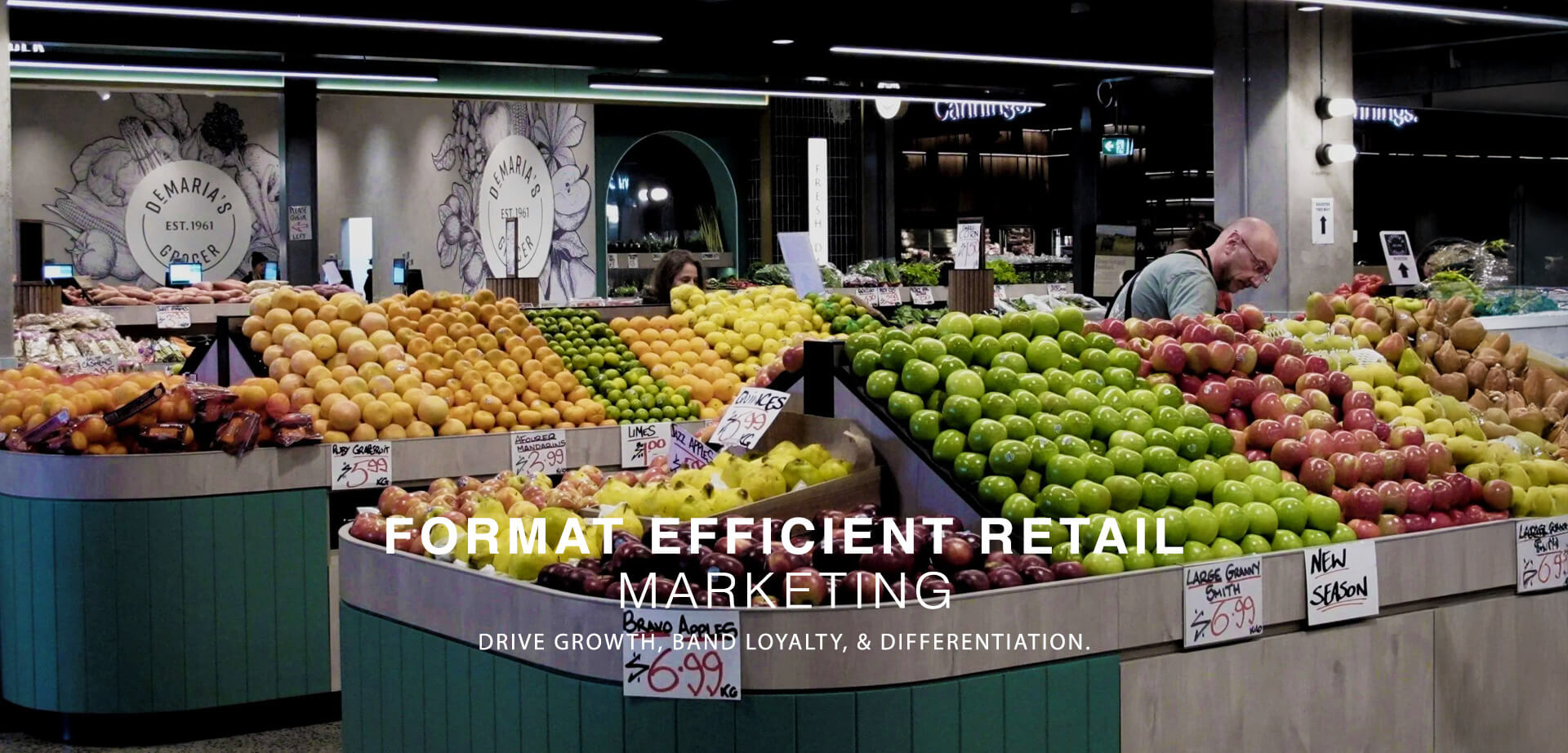
Supermarket branding strategies play a crucial role in shaping consumer perceptions and driving sales in the retail landscape. In today’s competitive market, modern supermarkets must focus on innovative branding techniques to stand out and capture shopper loyalty. The Graduate School of Design’s course, designed by branding experts Teman and Teran Evans, exemplifies how effective supermarket design and branding can revive household brands that have lost their appeal. By employing thorough market research, students learn to identify new target audiences, allowing them to craft tailored branding strategies that resonate with consumers. This unique approach not only revitalizes fading brands but also equips students with the skills necessary for success in the dynamic field of supermarket marketing and beyond, amplifying the effectiveness of their branding courses in a real-world context.
The world of retail branding encompasses a myriad of strategies aimed at enhancing product visibility and consumer engagement. With the rising importance of effective supermarket design and innovative branding techniques, retailers are constantly looking for fresh ways to reinvent themselves and attract customers. In a recent course offered at the Graduate School of Design, students delve into the complexities of rebranding household names that have fallen out of favor, demonstrating the potential for revival in today’s market. By combining practical market research with creative design thinking, emerging strategists are prepared to tackle the challenges of brand management in supermarkets. This proactive approach not only nurtures future leaders in the branding sector but also highlights the significance of understanding consumer desires to thrive in an evolving retail environment.
Understanding Supermarket Branding Strategies
In today’s competitive retail landscape, effective supermarket branding strategies play a crucial role in attracting customers and building loyalty. Brands must go beyond just selling products; they need to cultivate a strong identity that resonates with consumers. Effective branding involves a comprehensive understanding of target demographics, which can be enhanced through market research that identifies the preferences and behaviors of potential shoppers. By utilizing these insights, supermarkets can create a tailored shopping experience that addresses specific customer needs, significantly boosting brand visibility and affinity.
Implementing robust supermarket branding strategies also extends to the design and layout of the store itself. A well-structured supermarket design not only invites customers in but also encourages them to explore various aisles and products. Using attractive signage, aesthetic product displays, and a logical flow between sections can enhance the shopping experience. Furthermore, branding elements such as distinctive packaging for various products can create a cohesive brand image that consumers recognize and trust, ultimately leading to increased sales and customer retention.
The Role of Market Research in Supermarket Design
Market research is indispensable for refining supermarket design and enhancing branding strategies. It involves collecting and analyzing data about consumer preferences, shopping habits, and trends that influence purchasing decisions. Supermarkets that invest in thorough market research can tailor their offerings not only to attract new customers but also to retain existing ones by anticipating and adapting to their changing needs. This strategic approach helps supermarkets to identify niche markets and create targeted marketing campaigns that resonate with specific consumer segments.
Furthermore, in the context of supermarket design education, courses like those offered at the Graduate School of Design emphasize the importance of integrating market research findings into practical design applications. Students are trained to analyze data and apply it creatively to conceptualize supermarket layouts that enhance both functionality and consumer experience. This knowledge empowers future leaders in the industry to develop innovative branding approaches that can revitalize household brands, ensuring they remain relevant in a fast-evolving market.
Reviving Household Brands through Innovative Design
Reviving household brands requires a thoughtful blend of creativity and strategic thinking, particularly in supermarket settings where brand visibility is vital. The process often begins with identifying brands that have lost their market appeal and assessing the potential for revival. In GSD courses, students are taught to dissect these brands, examining their historical context, consumer perceptions, and market positioning. This foundational analysis is crucial for developing fresh branding strategies that can attract modern consumers.
Moreover, the design process is not solely about aesthetics; it encompasses creating an emotional connection with consumers. By redesigning packaging and marketing materials, students learn how to convey a brand’s essence and message effectively. For example, a revitalized Yoplait packaging might emphasize its health benefits while appealing to the desires of health-conscious consumers. Such strategic design decisions not only enhance shelf appeal in supermarkets but also foster deeper consumer loyalty, paving the way for these household brands to thrive once again.
The Impact of Design Education on Branding Strategies
Design education plays a pivotal role in shaping modern branding strategies, particularly within the supermarket sector. Institutions like the Graduate School of Design equip students with the tools and insights necessary to understand the intricacies of brand identity and consumer engagement. Students learn to apply design principles to real-world scenarios, creating innovative solutions that address the challenges brands face in today’s market. This education fosters a new generation of thinkers who are well-versed in the importance of balance between branding, design, and consumer experience.
Additionally, design education encourages collaboration among diverse teams, mimicking real-world corporate environments. Students working on projects such as ‘Paper or Plastic’ gain valuable experience in presenting their ideas and receiving feedback, which is crucial for personal and professional development. The insights gained from these experiences are invaluable as students move into the workforce, where they can apply their knowledge to develop comprehensive branding strategies that effectively engage consumers and enhance market competitiveness.
Collaborative Approaches to Supermarket Branding
Collaboration is essential in formulating effective supermarket branding strategies. Through teamwork, students in courses led by industry experts learn to combine their varied skills to explore creative solutions for brand revitalization. Working in teams allows for the sharing of diverse ideas which can lead to innovative approaches for branding and design. Each team member brings unique perspectives drawn from their background, enhancing the overall creativity of the group’s branding strategy.
Moreover, collaboration extends beyond classroom settings. Supermarket brands often partner with designers and marketers to create campaigns that resonate with their target audiences. By leveraging the collective expertise of professionals in various fields, supermarkets can establish branding campaigns that are dynamic and multifaceted, appealing to a broader customer base. This synergy exemplifies how collaborative approaches can elevate branding efforts and drive the supermarket’s success in a competitive market.
Transforming Consumer Engagement through Branding
Transforming consumer engagement through branding is critical for supermarkets looking to enhance their market presence. Engaging consumers goes beyond delivering quality products; it involves creating memorable experiences that resonate with shoppers’ lifestyles and values. Supermarket branding strategies must consider emotional as well as functional aspects of consumer interaction. This may include community involvement initiatives, personalized marketing, and loyalty programs that make consumers feel valued and appreciated.
Moreover, the influence of digital transformation cannot be overlooked in modern branding. Supermarkets are increasingly utilizing digital platforms to engage consumers, from social media campaigns to e-commerce strategies that facilitate online shopping. Such initiatives not only streamline the shopping experience but also foster a deeper connection between the brand and its consumers. Supermarkets that leverage technology to enhance consumer engagement can differentiate themselves in a crowded marketplace, ensuring they remain relevant and appealing to the modern consumer.
Brand Repositioning: Strategies for Success
Brand repositioning is an essential strategy for revitalizing an underperforming supermarket brand, allowing it to better meet the changing preferences of consumers. The process typically involves reassessing the brand’s core values, target audience, and competitive positioning. By understanding why a brand has lost its appeal and what consumers currently desire, supermarkets can implement effective branding strategies that resonate more deeply with today’s shoppers. Tactical adjustments in messaging and packaging can lead to renewed interest and improved sales performance.
To execute successful brand repositioning, market research is integral in guiding the redesign process. Supermarkets may consider employing tools such as focus groups or surveys to gain insights into consumer sentiments and preferences. After collecting this data, brands can create targeted campaigns that articulate their new positioning, ensuring they accurately reflect the updated brand personality. Brands that undergo careful repositioning tend to foster lasting relationships with consumers, enhancing both loyalty and profitability.
Harnessing the Power of Market Research in Supermarket Strategies
Market research harnesses invaluable data about consumer behavior, preferences, and market trends, making it an indispensable tool in developing successful supermarket strategies. By employing robust research methodologies, supermarkets can gain insights that inform all aspects of their operations, from product selection to branding initiatives. This deep understanding allows supermarkets to cater to the evolving needs of their customers and stay ahead of competitors.
Furthermore, as seen in educational programs at institutions like the Graduate School of Design, the process of integrating market research into design and branding strategies is emphasized. Students learn to apply empirical data to make informed decisions about product presentation, store layout, and promotional campaigns. The education enables students to leverage research findings creatively, transforming insights into actionable strategies that can significantly enhance brand performance and consumer satisfaction.
Innovating for Sustainability in Supermarket Branding
Sustainability has become a central focus in the retail industry, and supermarkets are increasingly integrating eco-friendly practices into their branding strategies. Innovation in packaging, sourcing, and overall meat production is essential for supermarkets looking to appeal to environmentally conscious consumers who prioritize sustainability. Branding strategies that emphasize these green initiatives can create a positive image and differentiate a supermarket in a competitive market.
Additionally, educating consumers about sustainable practices and their benefits is crucial for successful implementation. Supermarket branding efforts could include campaigns that promote recycling, waste reduction, and responsible sourcing of materials, creating a deeper connection with environmentally conscious shoppers. By positioning themselves as leaders in sustainability, supermarkets can foster brand loyalty while also contributing to broader environmental goals.
Frequently Asked Questions
What are key supermarket branding strategies taught in design courses?
In courses like ‘Paper or Plastic: Reinventing Shelf Life in the Supermarket Landscape,’ students learn crucial supermarket branding strategies such as market research, product redesign, and effective audience targeting. These strategies focus on revitalizing household brands by understanding consumer needs and leveraging design principles to create memorable product identities.
How can market research enhance supermarket branding strategies?
Market research is essential in supermarket branding strategies as it provides insights into customer preferences and behaviors. By identifying target audiences, supermarkets can tailor their branding efforts, ensuring that their products resonate with the specific wants and needs of consumers, ultimately leading to better sales and brand loyalty.
What role does supermarket design play in branding strategies?
Supermarket design significantly impacts branding strategies by influencing the shopping experience. Effective design not only attracts customers but also conveys brand values and messaging through product placement, visual merchandising, and the overall atmosphere of the store, enhancing brand recognition and consumer engagement.
What are some effective techniques for reviving household brands in supermarkets?
Reviving household brands requires a combination of innovative supermarket branding strategies, such as conducting thorough market research to identify potential customer segments, redesigning packaging for modern appeal, and implementing targeted promotional campaigns to attract a new generation of consumers while retaining existing loyal customers.
How does GSD education influence supermarket branding strategies?
Graduate School of Design (GSD) education equips students with the knowledge and skills necessary to develop effective supermarket branding strategies. Through hands-on projects, like redesigning underperforming brands, students learn to apply design thinking, market analysis, and consumer psychology, fostering a comprehensive understanding of how to elevate brand visibility and performance in competitive markets.
What should be included in a successful supermarket branding strategy?
A successful supermarket branding strategy includes market research to understand customer preferences, innovative design to enhance product appeal, clear communication of brand values, and strategic promotional efforts. This holistic approach ensures that the brand resonates with consumers, ultimately leading to sustained growth and competitive advantage.
How do students evaluate supermarket branding strategies in design courses?
Students evaluate supermarket branding strategies by engaging in market research, analyzing existing household brands, and assessing consumer trends. They then conceptualize and present redesigned products that align with identified target markets, incorporating feedback from industry professionals to refine their strategies before implementation.
| Key Point | Details |
|---|---|
| Course Overview | The class focuses on brand revitalization in the supermarket sector. |
| Taught By | Teman and Teran Evans, who have extensive experience in design and branding. |
| Student Projects | Teams worked on brands like Clean & Clear, Kleenex, Popsicle, and Yoplait. |
| Revival Strategy | Students conducted market research to identify new target audiences for these brands. |
| End-of-Semester Pitches | Teams presented their designs to professional evaluators. |
| Professional Development | Students are encouraged to mentor future innovators in the supermarket industry. |
Summary
Supermarket branding strategies are essential for the revitalization of household brands. In the dynamic landscape of supermarkets, effective branding can make or break a product’s market presence. The course ‘Paper or Plastic’ cultivates the skills of future branding professionals, emphasizing not only design innovation but also the importance of understanding consumer needs. Through rigorous market research and creative collaboration, students learn to breathe new life into struggling brands, ensuring they are well-equipped to inspire future generations with fresh branding strategies.